Tuesday, 18 November 2014
The BBFC
As part of my initial research I chose to look at the BBFC film classification site to look at different age ratings so I can make an educated assumption as to what my film will be rated. Age rating have a strong influence as to what demographic watches the film, for example, you wouldn't have a horror film rated as a U as people will bring their children along to it, therefore exposing them to harsh imagery, thus causing them to complain to the film distribution company.

Saturday, 15 November 2014
Genre research
I decided to research some basic genres of film to gain a holistic understanding of the film world. I want to make a valid decision on my chosen genre based on my research of all genres.
Comedy:
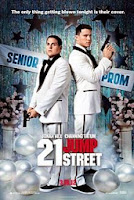

The main purpose of a comedy film is to amuse and induce laughter, it deals with unusual behaviour, designed to entertain an audience. This 'feel good' genre is extremely popular among all ages and genders, however most modern comedies are rated a 15 as taboo language and inappropriate storylines are used. There are many types of screen comedy such as
Action:

 Action films involve one or more heroes solving various challenges requiring physical traits and achievements, extended fights, extensive stunts and car chases. Story and character development are generally secondary to explosions, fist fights, gunplay and car chases. Both historically and currently, action films have wide commercial appeal and enjoy box office success. The action film does revolve around a narrative, but more importantly, it revolves around a hero. What often springs to mind when you think 'action films' are the specific actor, such as Harrison Ford, Bruce Willis, Sylvester Stallone, Bruce Lee, Steve McQueen, Arnold Schwarzenegger, Jason Statham) and the obstacles their character(s) must overcome.


A crime film focuses on the lives of criminals. The stylistic approach can portray grittily realistic portrayals of real-life criminal figures and criminal heists. In this genre, criminal acts are almost always glorified.
Sci-Fi:


A sci-fi film often embraces futurism, technology, and space travel. Science-fiction in the 50's dealt mostly with invasions of Earth by aliens or mutations. Special effects feature strongly and as technology grows, more and more Sci-Fi's are available in 3D using the latest camera equipment.
Horror:


Horror films designed to frighten or shock the viewer through the violence or supernatural, this genre can sometimes overlap with science fiction. The impact of horror films has drastically changed thorough the decades, something once scary in the 80's such as the shining, would now be categorized as a psychological thriller. Today, the term "horror" is applied to films which display more explicit gore (Saw/ Texas chainsaw massacre) as audiences are becoming less and less impacted upon by horror films.
Ghost story: This sub-genre concerns dead spirits haunting the living world and how humans react to them (The woman in black)
Monster: a genre depicting a monster/ mutant/ werewolf/ zombie that terrorises the population causing both death and despair, often monster films refer to creatures of traditional folklore.
Occult stories: discusses themes to do with the 'opposite of good religion', such as devils, demonic possession, antichrist, exorcisms, witchcraft and daemons. (The exorcist/ the devil inside)
Slasher: this sub-genre usually features a male serial killer hunting down a group of people, the violence is extreme and detailed. Most of these films are rated 18 or X as they touch upon very disturbing topics.
Survival horror: this genre follows a protagonist who has to overcome some sort of obstacle such as zombies, a murderer or even themselves (28 days later)
Romance:


This genre deals with a sentimental relationship between two (or more/ love triangle) characters as its basis. Possibly the biggest purveyor of escapism in film, the romance film creates an assumption of what romance is like. The basic structure for these films are when two lovers who meet, fall in love, and then must deal with the obstacles thrown in their way, often portraying great sacrifice from one of the individuals. Many sub-genres have stemmed from this main genre to attract a wider audience, yet the main audience is predominantly women who truly immerse themselves in this world of fictional escapism.
Contemporary romance: this is a romance film set at the time they were written, in films before 1970, the women tend to be housewives while after 1970 the women have careers. (The Notebook)
Historical romance: focuses on a romance between two characters in a period setting where issues from that period such as women's rights, threaten the relationship. (Jane Eyre)
Romantic suspense: Often the heroine is the victim of a crime , and works with the hero, who is often a protector, such as a police officer, FBI agent, bodyguard. At the end of the film, the mystery is solved and the interaction between the hero and heroine has developed into a solid, often cliche relationship. (An officer and a gentleman)
Paranormal romance: this often blends a variety of sub-genres such as horror, paranormal, sci-fi and thriller to produce a romance that appeals to both sexes. (Ghost)
Science Fiction romance: a romance film in a futuristic setting (Avatar)
Fantasy romance: A key feature of romantic fantasy involves the focus on relationships and social, political, and economic factors. They are often completely fictional and tend to exaggerate a romantic relationship to suit the epic scale of the films budget. (Robin Hood: The Prince of Thieves)
Fantasy:

%2B1.jpg)
This genre is commonly associated with the fantasy worlds of imaginary lands. Key motifs include fairy's, knights, mythical creatures, wizards, epic battles, chivalry, pirates and fairy tales. Most of these films are aimed at children or young adults, children watch them because it depicts their imagination on screen, young adults watch them as they are often franchises that they have grown up with. This genre could be seen as a form of escapism as completely inaccurate and fictional worlds come to life on screen, creating a sense of awe and wonder. Many of these films are big budget blockbusters and a conglomerate film production company is needed to fund the countless special effects and stellar cast.
Fairy Tales: a genre about various magical creatures and folklore fables (Snow White and the Huntsman)
Epic/High fantasy: this genre expresses the use of highly sophisticated worlds and developed characters to produce a highly commercially successful film (Lord of the Rings/ Harry Potter)
Heroic fantasy: this chronicles the tale of fantasy lands and epic hero's who 'save the day' (Hercules)
Science fantasy: A fantasy story with mythical elements that can be scientifically explainable, basically combining science fiction elements with fantasy elements. (The hitchhikers guide to the galaxy)
Historical:


This genre deals with historical events and the real historical figures involved in it. Sometimes these films can be over romanticised or are adapted from fiction novels, however, historical events and themes are at the heart of all these films. These films pay a lot of attention to detail to re-creating events that have shaped the world we live in today. The type of films that deal with completely fictional characters in historical settings would be called costume films or period dramas. Some other films dealing with historical past would relate to some other genres and types, such as westerns, musicals, fantasy, war dramas, biographies, etc


This type of film features suspense, excitement and tension. Every genre could have thriller elements to it, like mystery, detective movies, gangster movies, crime, spy films, science fiction, film noir, occult and horror genres. Information is often withheld from the viewer as an important device, also action setpieces such as gunfights and chases are rare. Violence is only used for pivotal points and only where necessary, unlike a slasher film where sporadic violence is frequent. Thrillers often present a vision of the world and society as dark, corrupt and dangerous, often the ending is positive, however, extreme sacrifices have been made. After World War II, thrillers became increasingly more menacing, filmmakers such as Alfred Hitchcock leading the way, but the gore, explicit violence and sexuality that define the genre today didn't appear until after the Hayes Code was abolished in 1969. Since then the genre has been stretched with films by various directors who each continue to twist and expand thrillers into new areas. Famous thriller filmmakers include, Martin Scorsese, Brian De Palma, Neil Jordan, Ridley Scott and Roman Polanski.
Disaster-thriller: where a disaster is the main point of focus, something like a weather related disaster or a disease epidemic (contagion)
Psychological thriller: here, the psychological condition of the protagonist or, antagonist is highlighted. The plot is often complex and has many layers of meaning and possible outcomes (Shutter Island)
Crime thriller: this revolves around detectives and the crime they must solve, the plot is usually extremely suspenseful. (The Silence of the Lambs)
Techno-thriller: where technology is the main culprit of the film (The Terminator)
Comedy:


The main purpose of a comedy film is to amuse and induce laughter, it deals with unusual behaviour, designed to entertain an audience. This 'feel good' genre is extremely popular among all ages and genders, however most modern comedies are rated a 15 as taboo language and inappropriate storylines are used. There are many types of screen comedy such as
- slapstick :which involves over exaggerated physical movement (films like 'happy Gilmore')
- comedy of manners: a comedy based on the class system or a scandal, it can be classified by its witty dialogue (pride and prejudice)
- spoof: this satirizes other films by pointing out their flaws and making fun of them (Airplane! / Scary Movie),
- romantic comedy: provides a spin on the usual boy meets girl relationship to please audiences (27 dresses/ knocked up)
- comedy horror: mainly rated 15 or 18, these films put a light-hearted spin on the usual comedy.
- black comedy : discuss taboo subjects (often inappropriate subjects) such as drugs, war and murder whilst adding a comic element. (Dr. Strangelove)
Action:


- Action adventure film: an adventure film that follows some action film conventions, such as car chases and firearms, this sub-genre is mainly targeted towards families as it often includes some slapstick emelemts .
- (Raiders Of The Lost Ark),
- The cop action film: follows the story of one or more 'cops' trying to solve a case, this sub-genre often has a comedic spin attached to it. (Bad Boys 2),
- The sci-fi action film: follows a sci-fi plot but involves the ise of battles, firearms and futuristic weaponry. (Aliens),
- The martial arts action film (47 Ronin),
- The action comedy: an action film featuring comedic elements, usually rated 15 as their is strong, bloody comic violence involved. (Hot Fuzz),
- Military action: set during a war or conflict where the plot follows particular soldier, can be both historical or futuristic. (Fury)
- 'girls with guns' : portrays a strong female protagonist who makes use of weaponry, male characters in the film are often at her command.( Lara Croft: Tomb Raider)
- Spy action: a secret agent is sent on a secret espionage mission and make use of both 'cool' gadgets and firearms. ( The James Bond Franchise)


A crime film focuses on the lives of criminals. The stylistic approach can portray grittily realistic portrayals of real-life criminal figures and criminal heists. In this genre, criminal acts are almost always glorified.
- Detective: This follows a detective and usually, his associate, solving a complex crime committed by a notorious criminal. This genre often features highly complex and clever plots to allow the audience to make their own conclusions about who committed the crime and why. (Sherlock Holmes)
- Courtroom Drama: This presents law as a fictional drama, it often sees the case from the lawyers point of view (The judge)
- Murder mystery: A film that revolves around a homicide(s) where a detective tries to figure out the culprit, often putting their loved ones and other people in danger. (The silence of the lambs)
- Gangster:This sub-genre focuses on gangs and criminal organizations Gangsters are the subject of many movies, particularly from the period between 1930 and 1960. (The Godfather)
Sci-Fi:


- Apocalyptic/post apocalyptic fiction: this sub-genre depicts a world set after a disaster such as war, plague, zombies etc., it focuses on the traits and minds of the survivors and how they interact with each other and the end of a human civilisation. (The war of the worlds) Post apocalyptic films take place in a society where their is a lack of technology/modern resources. (The Hunger Games)
- Hard science fiction: this is where the science is the main focus and could be seen as realistic, scientific focus is considered a main part of the plot. (Jurassic park)
- soft science fiction: soft science fiction isn't really concerned with the science involver, but the more social side of it. (The Planet of the Apes)
- Military science fiction: essentially military elements added to a sci-fi (edge of tomorrow)
- Social science fiction: this genre is more concerned with the humans in the scientific society and highlights human behaviour and interactions. (Gulliver's travels)
- Space opera: emphasises space travel and shows how humans cope with a space lifestyle. (Prometheus)
- Planetary romance: this shows exotic alien worlds and focuses on the physical background of the setting. This genre is more concerned with the adventures on the planet, rather than the transportation to that location. (Avatar)
Horror:


Horror films designed to frighten or shock the viewer through the violence or supernatural, this genre can sometimes overlap with science fiction. The impact of horror films has drastically changed thorough the decades, something once scary in the 80's such as the shining, would now be categorized as a psychological thriller. Today, the term "horror" is applied to films which display more explicit gore (Saw/ Texas chainsaw massacre) as audiences are becoming less and less impacted upon by horror films.
Romance:


This genre deals with a sentimental relationship between two (or more/ love triangle) characters as its basis. Possibly the biggest purveyor of escapism in film, the romance film creates an assumption of what romance is like. The basic structure for these films are when two lovers who meet, fall in love, and then must deal with the obstacles thrown in their way, often portraying great sacrifice from one of the individuals. Many sub-genres have stemmed from this main genre to attract a wider audience, yet the main audience is predominantly women who truly immerse themselves in this world of fictional escapism.
Fantasy:

%2B1.jpg)
This genre is commonly associated with the fantasy worlds of imaginary lands. Key motifs include fairy's, knights, mythical creatures, wizards, epic battles, chivalry, pirates and fairy tales. Most of these films are aimed at children or young adults, children watch them because it depicts their imagination on screen, young adults watch them as they are often franchises that they have grown up with. This genre could be seen as a form of escapism as completely inaccurate and fictional worlds come to life on screen, creating a sense of awe and wonder. Many of these films are big budget blockbusters and a conglomerate film production company is needed to fund the countless special effects and stellar cast.
Historical:


This genre deals with historical events and the real historical figures involved in it. Sometimes these films can be over romanticised or are adapted from fiction novels, however, historical events and themes are at the heart of all these films. These films pay a lot of attention to detail to re-creating events that have shaped the world we live in today. The type of films that deal with completely fictional characters in historical settings would be called costume films or period dramas. Some other films dealing with historical past would relate to some other genres and types, such as westerns, musicals, fantasy, war dramas, biographies, etc
- Autobiography: a persons life story, often narrated by themselves (Mr Turner)
- Biography: somebody's life story as told by someone else (Marie Antoinette)
- Memoir: similar to an autobiography but it only shows a snippet of someone's life.
- Historical fiction: This entails a story that takes place in the real world, with real world characters, but with several fictionalized or dramatized elements.
- Alternate history: this genre poses a "what if" scenario where some historical event occurs differently (or not at all), so the course of history is alternated (never let me go)
- Period piece: where a historical backdrop is used but the plot, themes and character may be over dramatized (Amadeus)
- Costume drama: Lavish costumes and locations take center stage
Thriller:


This type of film features suspense, excitement and tension. Every genre could have thriller elements to it, like mystery, detective movies, gangster movies, crime, spy films, science fiction, film noir, occult and horror genres. Information is often withheld from the viewer as an important device, also action setpieces such as gunfights and chases are rare. Violence is only used for pivotal points and only where necessary, unlike a slasher film where sporadic violence is frequent. Thrillers often present a vision of the world and society as dark, corrupt and dangerous, often the ending is positive, however, extreme sacrifices have been made. After World War II, thrillers became increasingly more menacing, filmmakers such as Alfred Hitchcock leading the way, but the gore, explicit violence and sexuality that define the genre today didn't appear until after the Hayes Code was abolished in 1969. Since then the genre has been stretched with films by various directors who each continue to twist and expand thrillers into new areas. Famous thriller filmmakers include, Martin Scorsese, Brian De Palma, Neil Jordan, Ridley Scott and Roman Polanski.
Wednesday, 12 November 2014
Camera angles commonly used in cinema and my recreations of those
I researched some commonly used camera angles using empire magazines website. Me and my fellow media student Alice recreated these shots at school to gain a better understanding as to how they would look in a trailer.
Arc Shot:
this is where the subject is circled or 'arced' by the camera
Close up:
Where the face is in full frame, this is often used during a scene with emotional connotations.
Mid Shot:

This is the most common framing type used in trailers. The camera generally frames from the waist up.
Cowboy shot:

A shot framed from mid thigh up, so called because of its recurrent use in Westerns
Deep Focus:

Dolly Zoom:
A shot that sees the camera track forward toward a subject while simultaneously zooming out creating a vertiginous effect. This means it is often used in thrillers to create a sense of disorientation.
Dutch tilt/ canted:

where the camera is tilted to create an unusual angle.
Establishing shot:
A shot, at the head of the scene, that clearly shows the location the action is set in.
Handheld shot:
A shot in which the camera operator holds the camera during motion to create a jerky, immediate feel with emphasis on realism being created.
Low angle shot

High angle shot:
A shot looking down on a character or subject making them look smaller in the frame.
Locked down shot:
A shot where the camera is fixed in one position while the action continues off-screen.
Matte shot:
A shot that incorporates foreground action with a background, traditionally painted onto glass, now created in a computer.
Over the shoulder shot

Pan:
A shot where the camera moves continuously right to left or left to right.
Point of view shot:

Steadicam shot:
A shot from a hydraulically balanced camera that allows for a smooth, fluid movement.
Tilt
A shot where the camera moves continuously Up to Down or Down To Up. Its basically a vertical panning shot, and is often used at the end of a film to 'assess the situation', often looking up to the sky.
Birds eye view:
A shot looking directly down on a scene rather than at an angle.
Tracking shot:
A shot that follows a subject be it from behind, alongside or in front of the subject. This follows the subject, thus putting emphasis on it.
Two shot:
A medium shot that depicts two people in the frame, this is used to create a character relationship.
Whip pan:
A shot that is the same as a pan but is so fast that picture blurs, often parallel to sound effects. This is often featured in comedy films or action films because it evokes humor or 'speed'.
Zoom:
Allows the cinematographer to change the distance between camera and object without physically moving the camera. Crash Zooms that do the same but only quicker
Crane shot:
A shot where the camera is placed on a crane or jib and moved up or down, this is like a vertical tracking shot.
Tuesday, 11 November 2014
Film trailer research project questionnaire
Here is a questionnaire to explore what films consumers watch and how engages with trailers are they. I have used survey monkey for the questionnaire.
https://www.surveymonkey.com/s/XLJ2ZY7
https://www.surveymonkey.com/s/XLJ2ZY7
Tuesday, 4 November 2014
Film trailer analysis essay
The three trailers I have analysed, I have produced an essay to sort of compare them. Its basically the same as my analysis only in continuous prose.
Film
trailer analysis essay:
The three film trailers I have
chosen to analyse are all of different genres; however they were all released
between 2013 and 2014 so they are considered as current films. Firstly, FROZEN,
Disney's musical, fantasy, comedy is currently the biggest selling animated
film of all time. This 2013 winter blockbuster has been called a milestone for
animated films, being both Disney's highest grossing and most influential film
made by the studios. Aimed mainly at children and families, the film used
adventure to appeal to the children, sophisticated comedy that adults can
understand and a hit soundtrack that all will appeal to. Mockingjay part 1 is a science fiction, dystopian film
aimed at young adults due to its 12A rating. Based on the bestselling novels by
Suzanne Collins, it is the 3rd film in the franchise documenting Katniss
Everdeen's fight for freedom from the hands of the overbearing capitol. As the
film is yet to be released in cinemas, the trailer is currently having an
effect on the audience. Finally, Life after Beth, is a
2014 RomZomCom directed by Jeff Baena, it tells the story of Zach, whose
recently deceased girlfriend Beth, miraculously returns from the dead, although
she is not all she seems. As it is rated a 15, it will most likely appeal to
young adults. All three films use various conventions to establish and enhance
their genre.
Firstly, in
terms of colour, FROZEN used colours to anchor to the title and the colour of
the title as blue is typically referred to the cold. Blue and white are
frequently used in the 'winter' scenes of the trailer to provide obvious colour
connotations to the audience (children, who may need extra emphasis), also they
give these scenes added brightness so the characters and locations stand out
due to the colour contrast. The colour contrast also creates clear character
stories, for example the 'snow queen' Elsa is often seen in the snow scenes
wearing a dress of the same colour, implying that this is where she fits it, on
the other hand, her sister Anna wears bright colours during the snow scenes
that infer she doesn't belong there, she fits in much better in the castle scenes
of Arendelle. Also bright colours such as green and pink are frequently used to
show the 'summer' scenes, thus creating greater colour contrast between the
winter scenes, enabling the child audience to make a clear link. The use of
bright colours is typical to a Disney animated film, often acting as a motif
for the company, this suggests that the world created is that of a fantasy one,
therefore establishing a fantasy genre. ‘Life after Beth’ frequently
uses the colour grey, this is most obviously used at the beginning to give a
sense of impending danger and mystery. In act two, however, everything is
mainly black to infer something ‘dark’ is going to happen, this is soon
followed by the orange of the fire, giving a dramatic twist to the plot, this
links to the ‘zombie’ genre of the film.
Green is used in the graveyard scene at the start to provide a peaceful
look to the scene, his implies that somebody has passed away. Mockingjay uses colour to reflect the mood of the film, for example, grey tones
are used almost everywhere to reinforce the industrial underground district 13,
this gives a sombre, military look to the film, adding to the audience
experience by making them think this film is ‘darker’ than the predecessors of
the franchise. This also establishes the genre, a dystopian film, where the
future is generally seen as ‘darker’. To contrast the dull
and colours used in district 13, the colours and lighting in the Capitol scenes
are very warm and opulent, giving a luxurious feel as colours such as gold are
typically referred as a colour of the wealthy and privileged.
The lighting in FROZEN
is used to create specific feelings and emotions for the audience, it also
emphasizes the situation. High key lighting is used in the winter scenes to
brighten the 'snow' effect, adding to the winter scenery. It’s used in an
unusual way as high key lighting is typically related to comedies, yes, this is
a comedy, but the high key is used to depict Arandelle in danger as it’s
trapped under ice. Low key lighting is used in the action scenes to increase
the predominance of shadowy areas, this increases the sense of danger felt by
the audience, thus emphasizing the action scenes. In Life after Beth The film
sticks to typical zombie film conventions by using low key lighting at the
start to give a shadowy feel, this provides the audience with connotations of
death and despair. During the ‘flashback’ sequence, high key lighting is used
to create a happy feel, this reflects the romantic element to the film, as he
remembered how Beth used to be. Again, in Mockingjay part one, the lighting
reflects the mood of the film, low key lighting is
prominent to highlight the underground scenes of district 13, it makes it look
gloomy, unappealing and industrial as shadowy areas are highlighted. The
‘gloomy’ light used in district 13 contrasts with the soft, warm light used in
the scene of Katniss and her sister Prim, this tells the audience that this is
where Katniss wants to be and anchors to the voiceover parallel to the visuals,
“I just wanted to save my sister” creates a link with what is seen on screen.
The sound in
FROZEN makes the film more appealing to audiences, at the start of the trailer,
a voice over is used to set the premise of the story, it uses a dramatic
stentorian style voice to infer an impending conflict or scene of danger, this
establishes audience excitement. Non-diegetic sound FX of wind and snow is used
in the background of some scenes, this makes a direct link to the title of the
film as the theme of 'frozen' is referred to, thus establishing the plot line.
A non-diegetic soundtrack is used in the background, this score is not from the
film’s original soundtrack but is especially composed to highlight and match
the visuals on screen, dramatic music anchored to dramatic visuals will create
a better audience experience. This synchronous soundtrack at the start of the
trailer matches with the dramatic visuals.
Sound bridges are used of the main characters voices from one scene to
another; this highlights their importance and indicates to the audience that
they are the lead roles. Also the musical score from the film is used near the
end after "the music" superimposition appears, this tells that this
film has elements of a musical and how the singing adds to the plot line, and
this will generally appeal more to children as they can sing along to the film.
On the other hand, in Life after Beth, the sound is able to establish both the
genres of comedy, romance and ‘zombie’, a non-diegetic soundtrack is used at the
end of the film, it is upbeat therefore showing that the film is a comedy, however
this is contrapuntal to the zombie situation, thus making the film unique. A
dramatic score is used at the start which is parallel to the dramatic visuals,
this makes the visuals more exciting. Diegetic sound is frequently used in this
trailer, for example the guitar adds to the romance element of the film, whilst
the zombie screams and shouts are parallel to the zombie genre of the film. The
gunshots are used as a sound bridge at the end of the trailer to provide
audience suspense as they don’t know if anyone has been shot or not, this is
synchronous to the visuals of the man holding a gun and both Zach and Beth are
portrayed as being in danger. In Mockingjay part one, a voiceover is deployed at the beginning of the main character speaking
to allow the audience to build a relationship with that character as they
understand the situation from their point of view. This is then used as a sound
bridge to another scene when the voiceover is finished, thus making a link
between the sound and the visuals. At the end of the trailer, a distinct four
note sound motif is used, this is an important motif throughout the franchise
as it symbolised the ‘call of rebellion’, therefore a motif is created for the
film that is instantly recognisable. A
dramatic, non-diegetic score is used in the middle third of the trailer to
heighten excitement and to be parallel to the fast paced visuals, this music
has an apocalyptic theme to it which links to the dystopian genre of the film.
The soundtrack is not part of the official film score but has been especially
created to match the ‘best bits’ shown in the trailer, this generates more
excitement and persuades the audience to buy tickets. At the start of the
trailer, a non-diegetic string score is used to build anticipation, it also
represents the loss and tragedy felt at the end of the last film, therefore
creating a sombre background to the trailer.
In FROZEN, an establishing shot is used at the
start of the trailer of the kingdom of Arendelle, this is deployed to set the
scene of the plot and establish where most of the action is to take place. A
high angle shot of Queen Elsa is used on the balcony to infer she has power
over her subjects and that she is of royal blood, here the audience can infer
that she is one of the main protagonists. A bird’s eye view is also used of
Elsa when she 'let’s go' of her powers, here the audience can see that she is
free of the pressures of royal life. A pov shot is added when Elsa is looking
at the royal 'tokens' whilst trying to suppress her sorcery. Also, a close up
is used of Anna's face to show her concern about Elsa's powers; this emphasizes
a sense of danger and tells the viewer that bad things are inevitable. Later in
the trailer, a low angle shot is used to show the 'ice guard monster', this
puts Anna and Kristoff (who are being attacked by the monster) in more danger
as they are powerless, thus the audience can see how the monster is an
antagonist. Two shots are a common occurrence in the trailer as they portray
character relationships, Olaf the snowman and Anna are seen as friends whilst
there is obviously a romantic connection between Anna and Hans. In Life after
Beth a long shot is used At the
start of the trailer to depict Zach by the gravestone, as it is an establishing
shot, the audience needs to see everything in the frame as it is the first shot
of the trailer. The graveyard obviously infers that there has been a recent
loss, giving the film a sombre start. An
over the shoulder shot is used to show the conversation between Zach and Beth's
dad, Zach is seen as being in the minority as he does not yet know that Beth
has risen from the grave. A two shot of Beth and Zach is used to emphasise
their relationship, this links to the romance theme of the genre. Later a high
angle shot is used of Zach on the floor during Beth's transformation, he is
powerless as she is now a zombie and poses a threat to him. In the middle third
of the trailer, a POV shot is used when Zach hits Beth with the car, here, he
has the upper hand as the event is coming from his point of view. When Beth is
on the roof, a low angle shot is used, however usually it is to make someone
seem powerful, yet in this circumstance it is reversed and Zach wants to run
away from her. Mockingjay part one uses a birds eye establishing
shot to set the scene at the start of the trailer to create a sense of
anticipation. Bird’s eye shots are used frequently as a trailer opener to allow
the audience to view everything in the scene. Here a hovercraft can be seen,
perhaps inferring war, conflict and a sci-fi element to the film. A canted angle is later used to depict Katniss on that hovercraft, it
represents the unsteadiness of flying on a hovercraft, but also
the unsteadiness of her emotions since the last hunger games. It could also
show disorientation as to her reaction to her home of district 12 being
destroyed. An over the shoulder shot is
used when Katniss is talking via video to President Snow of the Capitol, this
gives the president more authority and power over her as he has the upper hand,
being the president of Panem. Therefore the audience can see that in the film
Katniss is seen as a diminutive figure as she is only the ‘poster girl’ for the
rebellion. An extreme high angle shot is used to show president coin on a balcony
looking down at her subjects, this gives her a higher status and portrays her
as an authoritative figure. This also gives her the upper hand and emphasises
the fact that she is the leader of district 13. Low angle shots are used to
reinforce dominance, for example, Katniss and Gale are seen as dominant as they
are in the foreground of the frame, however in the background, two hovercrafts
threaten to destroy that dominance, emphasising the conflict between the two
sides. In the second still, a low angle shot is used to emphasis height as the
characters are scaling a building, thus highlighting the danger involved,
therefore making it more exciting. A long shot is used
to view district 13. As the audience has never seen it before, and anticipation
has built for those who are fans of the book, a long shot allows a lot of
detail to fill the frame. Here we can see many weapons, soldiers and vehicles,
therefore highlighting impending conflict, resurfacing the effervescent Presence of war.
In terms of
editing of the FROZEN trailer, the Disney logo appears, so audiences can expect
the film to be an animated film featuring computer generated imagery, this will
appeal more to the market of children and families as the stories are
light-hearted and fun, this is established at the start of the film. Frequent
superimposition of text on the screen is used to provide the audience with more
dramatic information, it also adds to the plot line of the trailer. Fade cuts
are used to transition from the clip to the superimposed text for a more
streamlined finish. As this is a film trailer, montage editing is used to get
the 'best bits' of the film, this is extensively used in the action sequence to
quicken the pace of the visuals, and this is synchronous to the fast paced
music. Action matches and jump cuts are also used with the action sequences to
again quicken the pace and make the visuals more exciting. Cuts between shots are used slowly at the
start and the scenes dissolve onto each other to build up tension, then quicken
when the musical song begins for a more joyous feel. In Life after Beth, montage cuts are used at the beginning to show
the background to the story and how it relates to something that’s happened in
the past, this is coupled with slow paced editing at the start , parallel to
the music, therefore suspense builds. A slow montage is also used of Beth and
Zach in an almost dreamlike situation to depict toe good parts of their
relationship, this is however, contrapuntal to the actual goings on in the film
as Beth is now an out of control zombie. In the action sequence when Beth
‘transforms’, high shutter speed action matches and jump cuts are used to
represent danger and disorientation, also it could refer to the speed that Beth
can turn into a different person. Mockingjay uses a mixture of slow cuts and continuity editing while she is on the
hovercraft, this builds suspense, this is used alongside the synchronous score
which is also slow paced. The fade to blacks at the start of the trailer slow
down the visuals and signals the end of something, here, Katniss’ freedom. A
cutaway is used to show her and her sister, which again links to the sound as
the voiceover at that point states ‘I just wanted to save my sister’. The
middle third of the trailer uses longer takes to allow the audience to see the
never before seen district 13, however the pace of the cuts quickens to
synchronise with the faster music. Eye line matching is used between Peeta and
Katniss to emphasise their relationship, referring back to the dialogue where
she states ‘and keep Peeta alive’. Superimposition of text on the screen adds
information of its release date and any more info on what the film is like,
thus creating audience anticipation. At the end third, a mixture of montage,
action matches and jump cuts are used to create the battle scene, this quickens
the pace of the editing to build to the finale of the trailer when the logo of
the film can be seen.
The mise-en-scene in FROZEN helps to indicate
the plot of the film to the audience, for example the location of the film
obviously indicates that the film is of a fantasy genre. The town of Arendelle
has a fantasy, Nordic 'princess' style castle, inferring that the audience for
the film is predominantly children as they are interested in things that aren't
in this world. The costumes play a key role in the films plot, Elsa's ice dress
indicates that she belongs with ice and snow due to her powers, which her dress
reflects. Anna's costume on the other hand, it brightly coloured, showing her
naive and bubbly personality, and how she does not belong in the winter scenes.
The costumes make the characters recognizable, therefore children relate to
either one of them and have a favourite, this is vital for the films marketing
scheme of themed toys, clothes and gadgets sold at the Disney stores worldwide.
The characters facial expressions obviously
indicate that there is danger in the plot, thus making the story seem more
exciting, persuading the audience to go and buy tickets. Also, to show the
comedy element of the film, the character olaf is used in the middle third of
the trailer to give it a light-hearted feel, this will appeal to children. In
Life after Beth, Beth wears the same costume thorough the film, this acts like
a motif for her as she remains a consistent character, i.ie always a zombie.
The facial expressions in the film are important to express the ‘zombie’ genre,
Beth's zombie faces and the screams of others tell the audience that the film
may be both violent and scary at times. In terms of framing, Beth and Zac are
mainly in centre frame as they are the two main characters; here the audience can
infer that they are the main protagonists. Zach is seen wearing simple black
and grey clothes, perhaps this could be because he is in mourning of the ‘old
Beth’ he loved before. In the final third, a prop of a gun is used, this is
parallel to the zombie genre as most Zombie films feature the humans fighting
back, therefore the audience recognise this as a typical convention. In
Mockingjay, props such
as the bow and arrow are used frequently as they are the weapon of choice for
Katniss and the symbol of rebellion, inferring she is defiant against the
capitol. The location is industrial as the film is set in the future after a
war/ uprising, the underground district 13 has a military feel to it,
suggesting connotations of the war to come. The symbol of the Mockingjay is
shown on the pin badge and as the logo of the film at the end of the trailer;
it is a symbol of rebellion and a key motif for the film. Guns are depicted
frequently, this links with the films genre, a war based sci-fi, to emphasise
the impending conflict.
Overall,
all three trailers use devices such as lighting and camera angles to establish
the genre and apply it to the correct audiences. Frozen uses colour mainly to
attract a younger audience whilst in Mockingjay, sound it the main device for
attracting young adults, On the other hand, Life after Beth mainly uses camera
angles to emphasise its hybrid ROMZOMCOM genre.
Monday, 3 November 2014
Film trailer analysis: Life after Beth (2014)
I have chosen to analyse the romzomcon 'Life After Beth' as I want to explore a range of genres. The film premiered in 2014 and received a limited cinema release due to its 'mixed' reviews. The film centres around Zach whose girlfriend Beth has recently died, only to be mysteriously awoken from the dead. It chronicles her change into a zombie and how Zach realises she is not how remembered .
Click the link for the analysis.
https://www.scribd.com/doc/246232270/Life-after-beth-Trailer-Analysis
https://www.scribd.com/doc/246232270/Life-after-beth-Trailer-Analysis
Film trailer analysis: Mockingjay part 1 (2014)
For my second trailer analysis, I have chosen the dystopian Sci-fi film Mockingjay part 1, as it is yet to be released in cinemas so it is currently trying to 'tease' audiences into buying tickets. The film is part of the successful Hunger Games franchise and has more of a 'war' theme than its predecessors because war has finally broken out between the districts and the capitol.
Subscribe to:
Posts (Atom)